The micro-nano level detection sensitivity of white light interference is particularly effective in identifying micro-nano damage. For example, the identification of nanoindentation is a good example.
If the lens is touched by hand, the local surface shape of the lens will undergo slight changes, which can be detected by white light interference. If the edge is bumped, there may be no obvious damage under ordinary microscopic observation, but using white light interference detection, whether there is a change in surface shape becomes very clear. This presentation shows a similar case, detecting an optical component with a bumped edge. Observed under an ordinary microscope objective, the bumped area and the surface area only show a bright scratch, and the upper part of the bright scratch is black with irregular lines, but it cannot be distinguished whether it is a fracture or a scratch. The surface shapes on both sides have the same color, showing no obvious difference, as shown in the figure below.Observation effect under an ordinary microscope
The edge of the lens in the image is damaged, and from the microscopic image it cannot be determined how much the damaged area affects the surface shape.
Interference image obtained using a white light interference objective From the comparison of the two images, it can be seen that some of the interference fringes at the edge are twisted, while others are completely different in morphology from the surface interference fringes, indicating that a fracture has occurred relative to the surface. The large number of fringes in the fractured area indicates that the greater the change in surface shape in the area affected by the collision.
The area where the surface shape has changed in the image It can be seen from the figure that at the positions where the fringes are twisted, although the surface shape has changed, there is no fracture. It is still affected by the fractured area. If the surface shape fractures, tiny cracks in the fractured area may be observed under an ordinary microscope. However, the identification of areas where the surface shape has changed without fracture cannot be detected under an ordinary microscope.
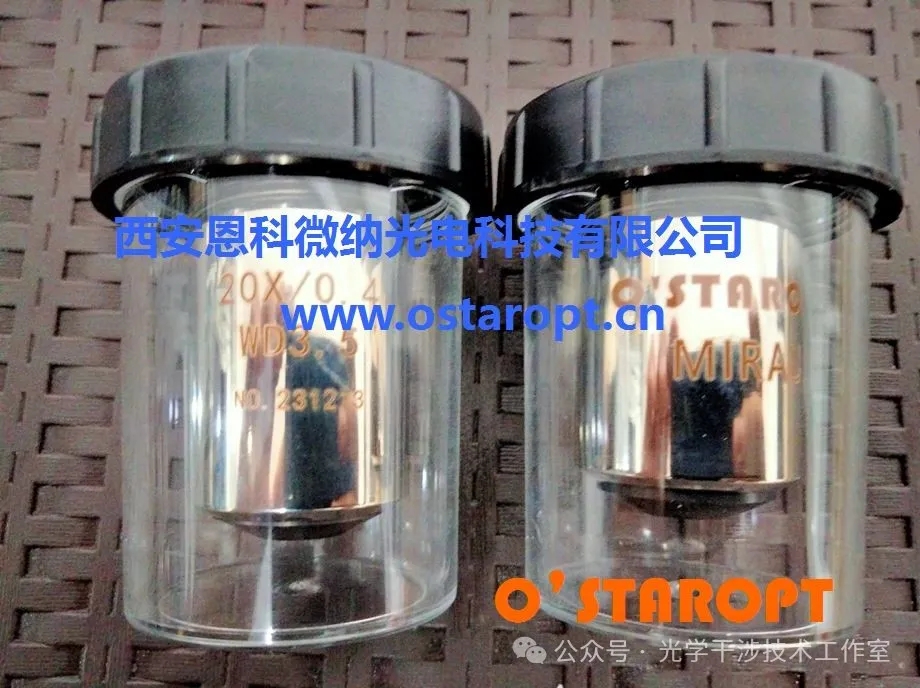
Other similar inspections include: 1. Detection of inconspicuous scratches on the surface. 2. Detection of inconspicuous defects. 3. Identification of the influence range of impurities with different characteristics, etc. The images were taken using our self-developed Mirau interference objective lens and a color industrial camera. For more explorations on white light interference detection, we will periodically publish articles or case studies on the public account.









 QQ客服1
QQ客服1